What working in Marrero is actually like
Marrero is long rather than wide, and that geography decides most of what we do here. It runs from the Westbank Expressway south down Barataria Boulevard toward Crown Point and the Barataria Preserve, and as you travel that road the ground gets lower, the lots get bigger, and your position relative to the levee and the pump stations changes. The practical result is that two Marrero addresses fifteen minutes apart can have genuinely different electrical priorities. Near the expressway the conversation is capacity and aging panels. South of Lapalco it shifts toward standby power, surge protection and how high things are mounted.
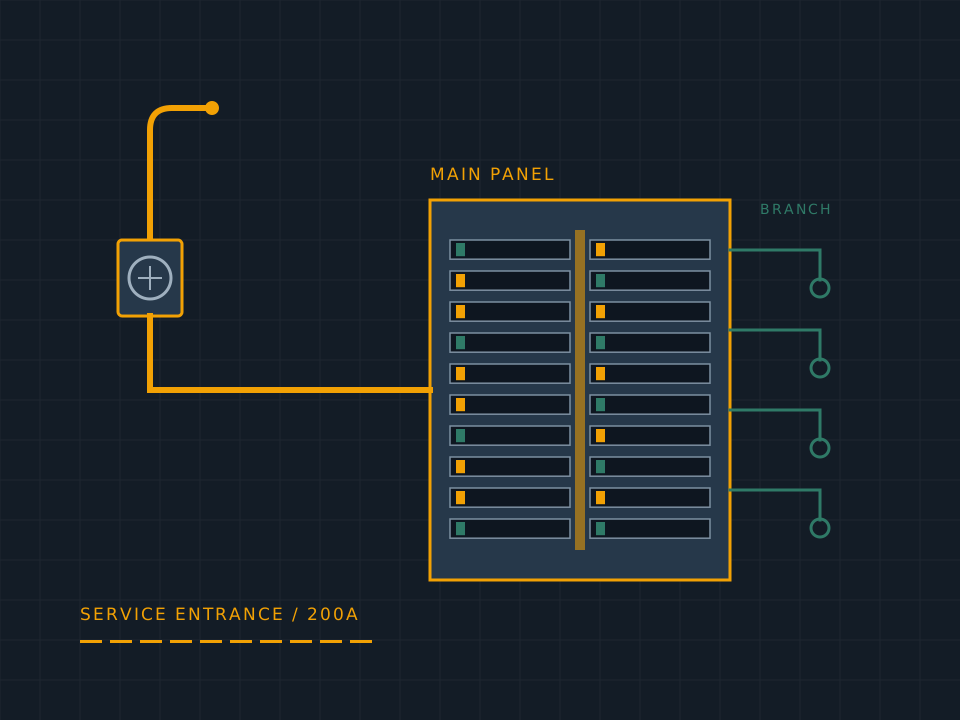
The housing follows the same axis. The older core near the expressway and Fourth Street is 1950s and 1960s slab construction, squarely inside the aluminum branch wiring window, with original 100-amp panels that were generous for a house with one window unit and are not generous for one running central air, an electric dryer and a converted attic. Ames and Estelle, further south, are largely later — 1970s through 1990s — so we see less aluminum there and more of a straightforward capacity problem: sound copper on a service that has simply been outgrown.
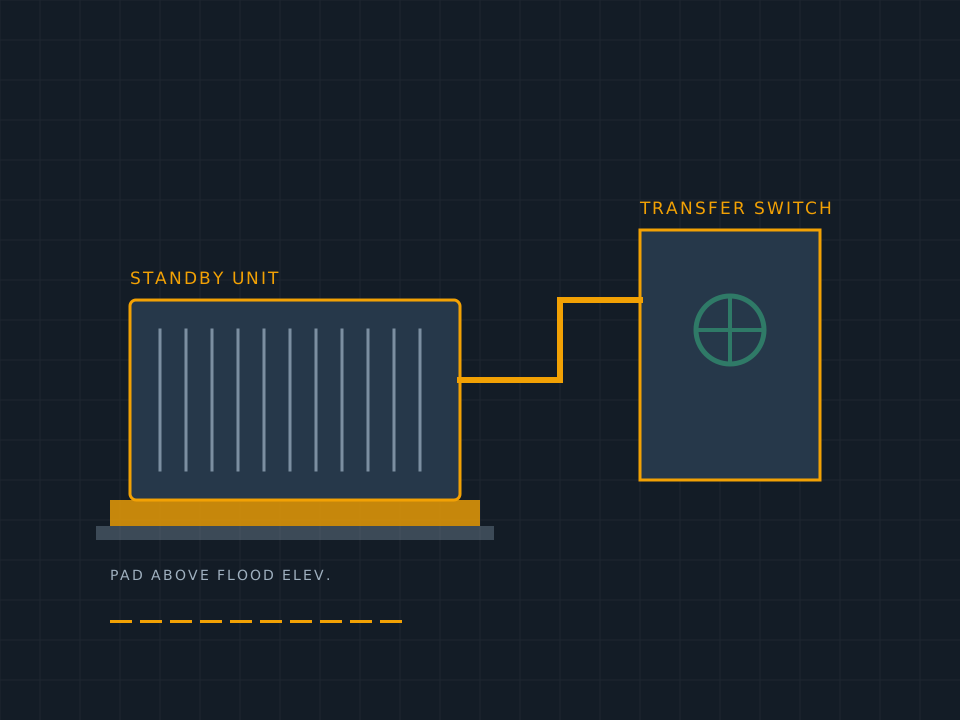
Storm exposure rises as you go south, and it is worth being realistic about it. Marrero sits behind the Westbank levee system and depends on pump stations, and the southern end of Barataria Boulevard is closer to open water than anywhere else we cover in Jefferson Parish. Feeders serving the lower end carry fewer customers per mile, which tends to place those addresses later in restoration sequencing after a major event. If you are south of Lapalco with a well pump, a sump protecting finished space, or medical equipment, a standby generator is a stronger case here than the same house would make in Metairie. West Jefferson Medical Center and the clinics around it also give Marrero a steady commercial and healthcare workload, where downtime is measured differently and changeovers get scheduled around it.