What working in Belle Chasse is actually like
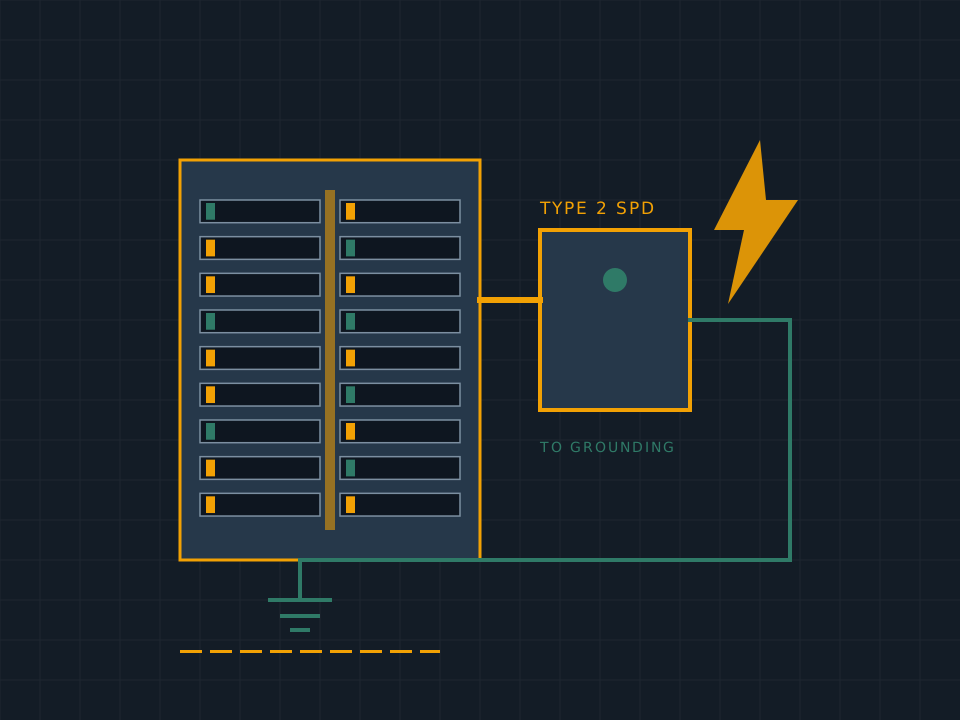
Belle Chasse is the most storm-exposed place we work, and the electrical priorities here reflect that rather than following the usual suburban pattern. Plaquemines Parish is a narrow strip of low ground between the river and the marsh, and it sits at the far end of the distribution network rather than in the middle of it. When the grid goes down, Plaquemines is typically restored after the denser parishes, not before, because feeders here serve fewer customers per mile of line. That single fact reorders the priorities: standby generation and surge protection are the leading conversations here, where in Metairie they would be third and fourth.
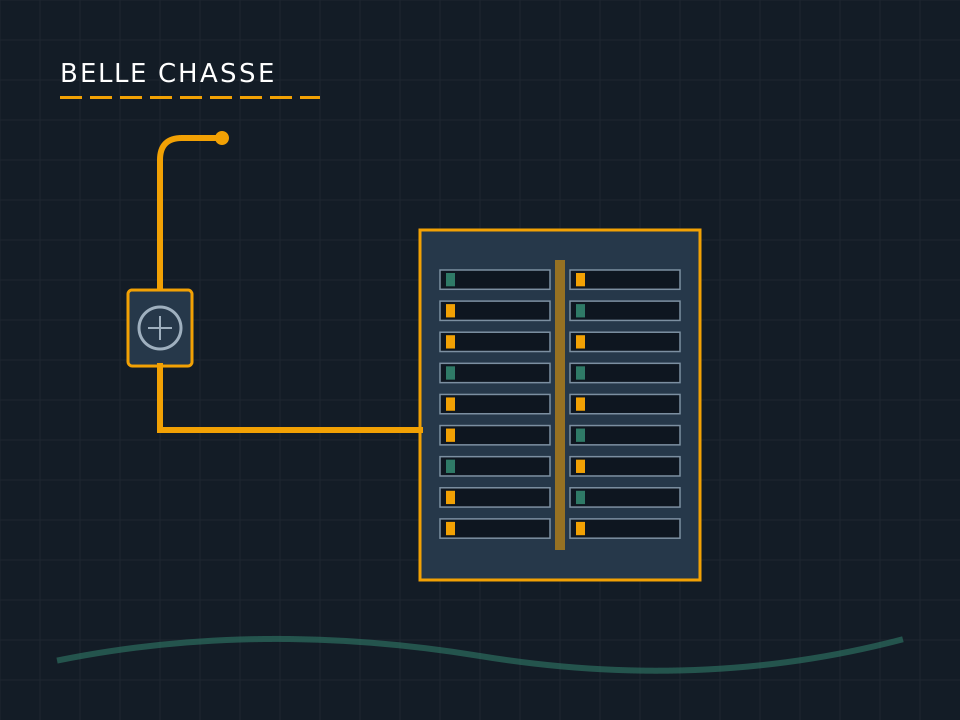
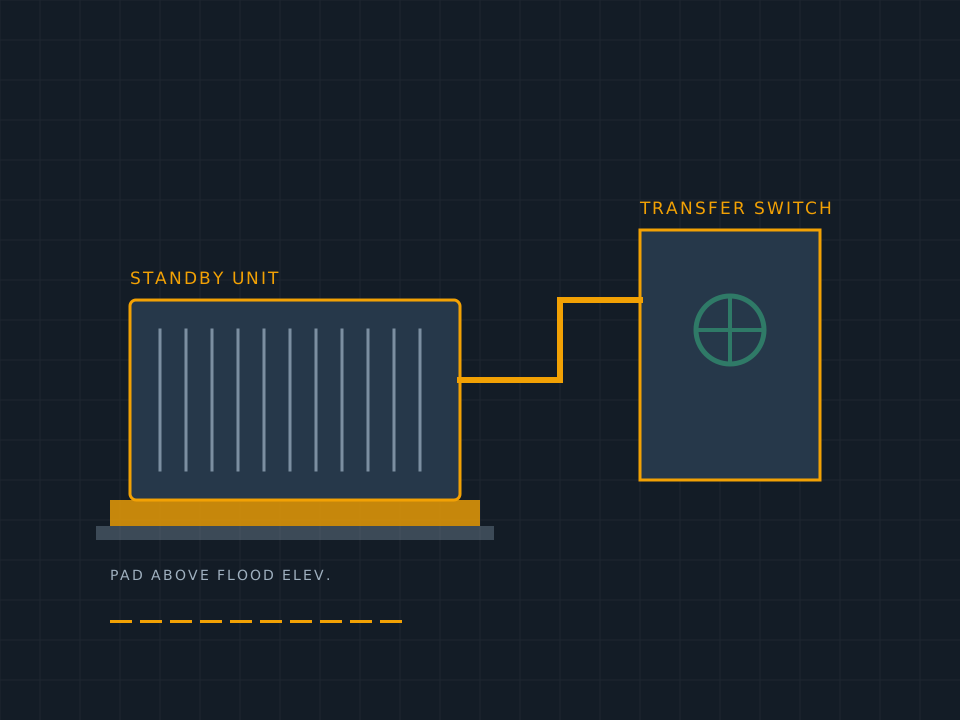
Flood elevation shapes the physical work in a way it does not elsewhere. Generator pads have to be raised deliberately rather than set on grade, propane tanks need siting that satisfies both setback rules and elevation, and panels and transfer switches want to be mounted high. On properties that have taken water before, we check whether any device box or junction sat below a previous flood line, because conductor that has been submerged wicks moisture up inside the insulation and corrodes well above the visible mark. That is not a theoretical concern down here.
The Naval Air Station and the parish's industrial and petrochemical corridor give Belle Chasse a commercial and light-industrial electrical demand well out of proportion to its residential population. Three-phase service, motor circuits and equipment loads are ordinary work here rather than specialist work. Access is the practical constraint on everything: LA 23 is effectively the only route in and out, so we schedule Plaquemines work in routed blocks rather than one-off runs, and after a storm the state of that highway determines what is reachable and when.